



Marathon running is a test of endurance, preparation, pacing, and mental resilience. Runners spend months developing the fitness needed to cover 42.195 kilometers, while race organizers coordinate safety, logistics, and support for thousands of participants. Performance data can help explain race outcomes, although using it to predict results remains uncertain.
Training and Previous Race Times
Previous finishing times provide a useful starting point for understanding a runner’s ability. However, times should be compared across similar distances and course conditions. A personal best achieved on a flat course may not be directly comparable to a result from a hilly route.
Training consistency, recovery, nutrition, and experience also influence performance. A runner returning from injury may have different priorities from an athlete preparing for a personal record. Public results cannot always reveal these individual circumstances.
Weather and Course Conditions
Temperature, humidity, wind, and rainfall can affect marathon performance. Hot or humid conditions increase the demands of heat management, while strong headwinds may make maintaining pace more difficult. Course elevation and surface conditions can also influence finishing times.
Race organizers consider these variables when preparing medical support, water stations, traffic arrangements, and participant communications. Runners benefit from following official guidance and adjusting expectations to match the conditions.
How Running Results Are Evaluated
Timing systems, checkpoint records, and official results help establish finishing positions and elapsed times. Some races also distinguish between gun time and chip time, depending on how timing is recorded and the rules used for rankings.
Understanding these details matters when comparing results. A personal timing record may not determine an official podium position if the competition’s rules use a different ranking method.
Running-Related Betting and Uncertainty
Where legal markets exist, betting on running events may involve predictions about winners, placements, or finishing times. Such markets can be difficult to evaluate because athlete health, pacing decisions, race-day conditions, and competitive strategy all affect outcomes.
Odds are not guaranteed, and historical performance does not ensure a particular result. Anyone considering wagering should verify local legality and operator licensing, meet the applicable age requirements, and avoid using money needed for essential expenses.
Conclusion
Marathon results reflect training, course conditions, pacing, and the ability to adapt during a demanding event. Race statistics help fans appreciate these factors, but they cannot eliminate uncertainty or guarantee predictions. The sport’s deeper value lies in athletic achievement, community participation, and the discipline required to reach the finish line.
 Sports lovers like to see more than just their preferred sports meets. Others also wager on the Internet so that every race is more exciting. Regardless of whether you are running your race in your country or abroad, it is important that you find a credible betting website.
 Weather is a significant factor in marathon performance and the outcome of bets. The weather elements affect athletes greatly. It is simply impossible to work efficiently under such weather circumstances, even for some of the best athletes in the world.

 Running betting is not about sudden action. It is about patience, rhythm, and sustained effort. Unlike sports with constant interaction, running events unfold gradually. Outcomes depend on how athletes manage energy over time. This makes running betting a discipline-focused activity rather than a reaction-driven one.




 Football betting looks simple. Pick a team. Place a wager. Wait for the final whistle. But if you’ve spent time around sportsbooks, you know it’s rarely that straightforward. Many bettors lose money not because they don’t understand football, but because they skip proper football match research and make avoidable mistakes. Most of these errors have little to do with knowledge of the game. They come down to discipline, mindset, and poor planning.

 Running betting is a test of patience, clarity, and timing. Unlike fast-scoring sports, running events unfold gradually. Outcomes depend on endurance, pacing, and mental strength. Because results develop slowly, bettors rely heavily on trust—both in the sport and in the platform they use.
 Running betting is a type of sports betting where wagers are placed while an event is already in progress. Instead of betting before a race, match, or game starts, you place bets as the action unfolds. Odds change in real time based on what is happening, such as speed, position, or performance. This makes running betting more dynamic than traditional pre-match betting.

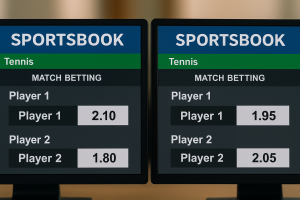 Arbitrage betting, or “arbing,” is one of the rare strategies in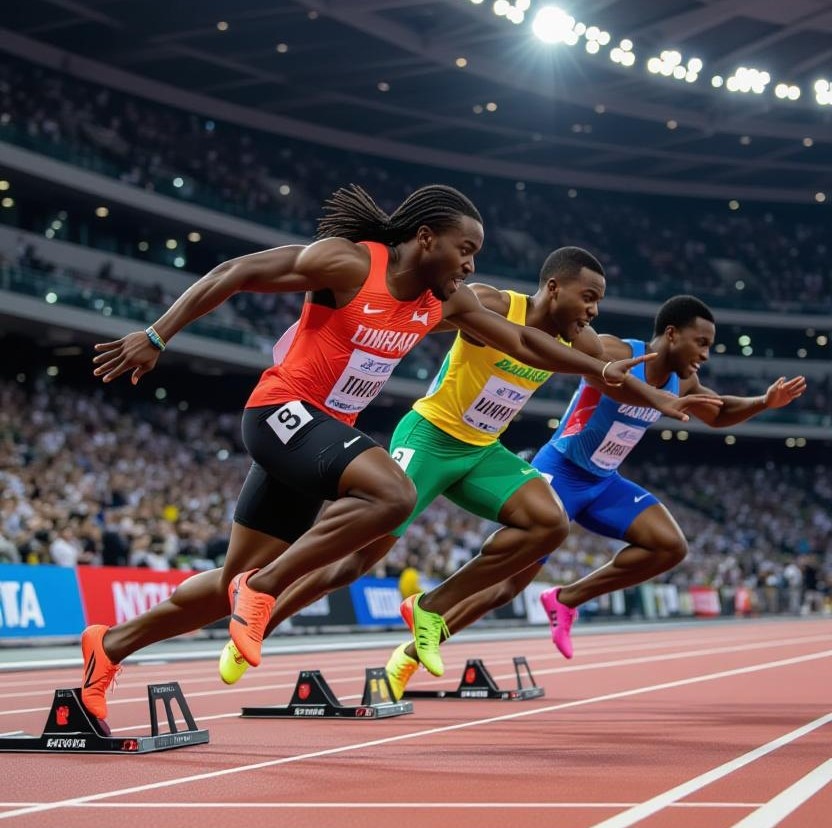

 The strategic component of baccarat, which involves probability calculations and wise decision-making, fits rather nicely the analytical approach needed for effective running betting. Understanding the dynamics of a race and the strengths and shortcomings of various runners helps bettors use comparable techniques in both baccarat and running betting to control risk and maximize possible gains.